
The Ultimate Guide to Color Drenching

The Ultimate Guide to Color Drenching: Why This Cozy Design Trend is Here to Stay
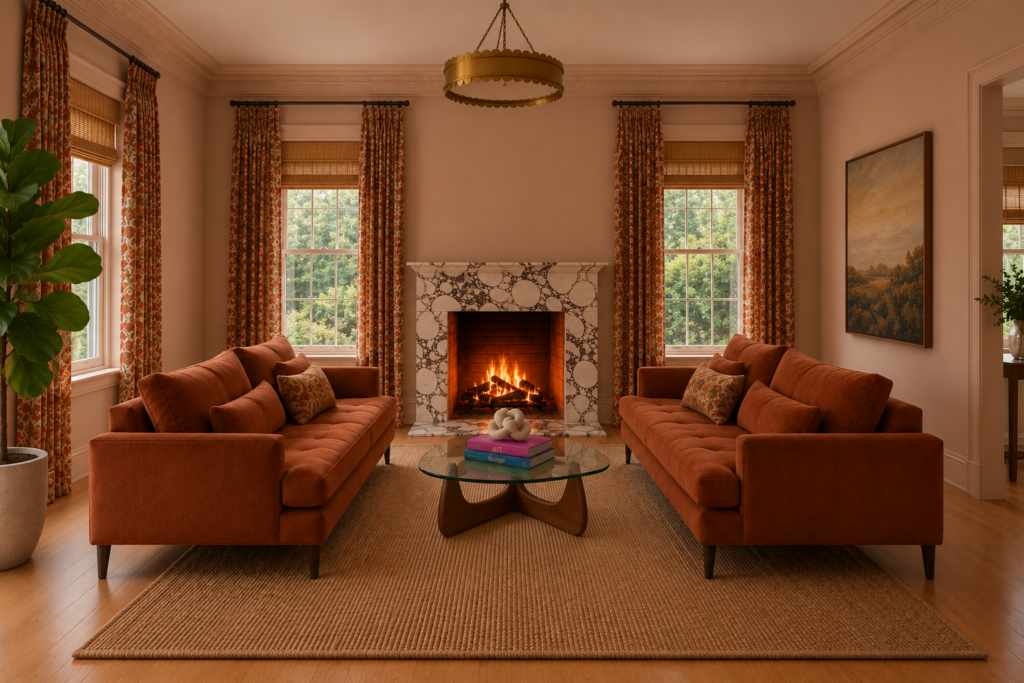
color drenched pink

Amy Krane Color

Let’s start with a confession: I’ve been a Color Consultant since 2012 and have been doing this from the start. The phrase just wasn’t coined yet. I always called it –  matching the wall and the trim color…. and still do! It’s the only scenario where I condone the term “match.”
 
If you have spent any time scrolling through design blogs or real estate listings lately, you have likely noticed a massive shift away from the stark, sterile “white-box” or gray environment minimalism of the past decade. In its place is something entirely different, deeply comforting, and undeniably luxurious: color drenching. More significant still is that the default white trim approach is loosening its grip. Thank goodness!
 
Far from a passing fad, color drenching has established itself as a modern design staple. If you are looking to bring maximum character, cozy vibes, and architectural interest to your home, here is everything you need to know about mastering this monochromatic technique.
 

What Exactly Is Color Drenching?

Color drenching is the practice of choosing a single paint color and applying it to almost every surface in a room. Instead of the traditional formula—where walls get one color, trim and baseboards get stark white, and the ceiling gets a coat of flat white—color drenching envelopes the entire space.
 
When you color drench a room, you paint the: 
  • Walls
  • Baseboards, crown molding, and trim
  • Window frames, sometimes sashes and mullions and always doors
  • Ceilings (the “fifth wall”) sometimes matches the walls
  • Built-in bookshelves and radiators

all the same color.

By eliminating the high-contrast lines created by white trim and ceilings, the boundaries of the room blur, creating a seamless, cohesive look.
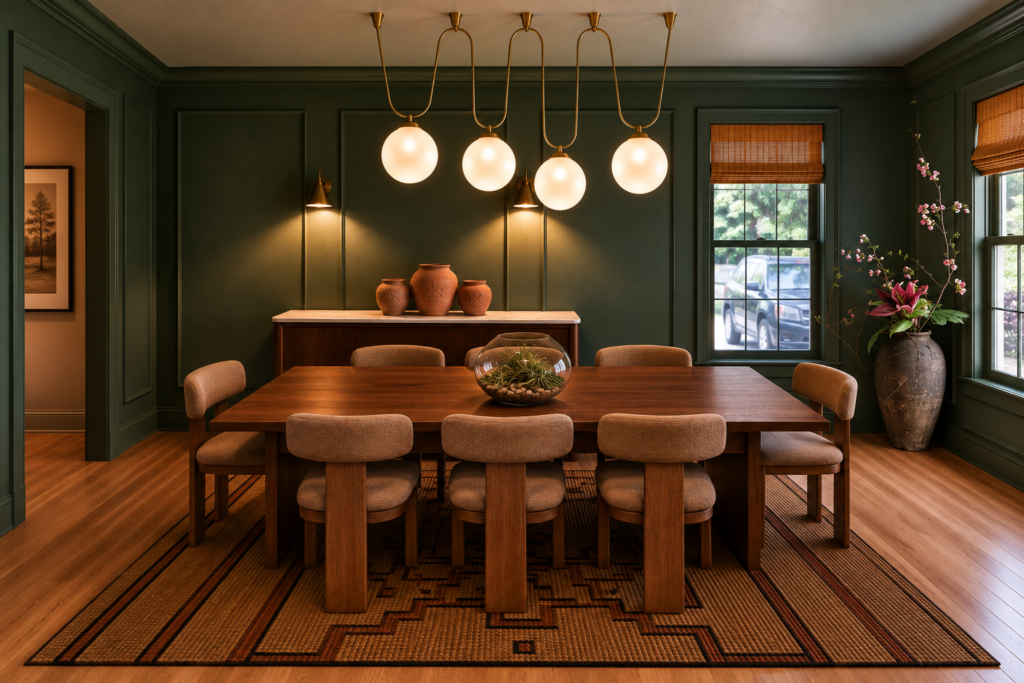
Color drenched green dining room

Amy Krane Color


Why Designers (and Homeowners) Are Obsessed

The popularity of this trend isn’t just about aesthetics; it changes how a space physically feels. Here is why the design world is taking the plunge:

  • It makes small rooms feel bigger: It sounds counterintuitive, but breaking up a small room with contrasting white trim actually makes the space feel smaller and chopped up. Eliminating those visual borders allows the eye to travel continuously, making a small bathroom, cozy den, or home office feel larger and more expansive.
  • It hides architectural flaws: If your home has uneven ceilings, awkward bulkheads, or asymmetrical crown molding, painting everything the same shade makes those imperfections completely disappear into the background.
  • It looks incredibly high-end: There is an undeniable boutique quality to a drenched room. It instantly elevates a space, making it look custom-designed and intentional, even on a modest DIY budget.

How to Do It Right: The Golden Rules of Color Drenching
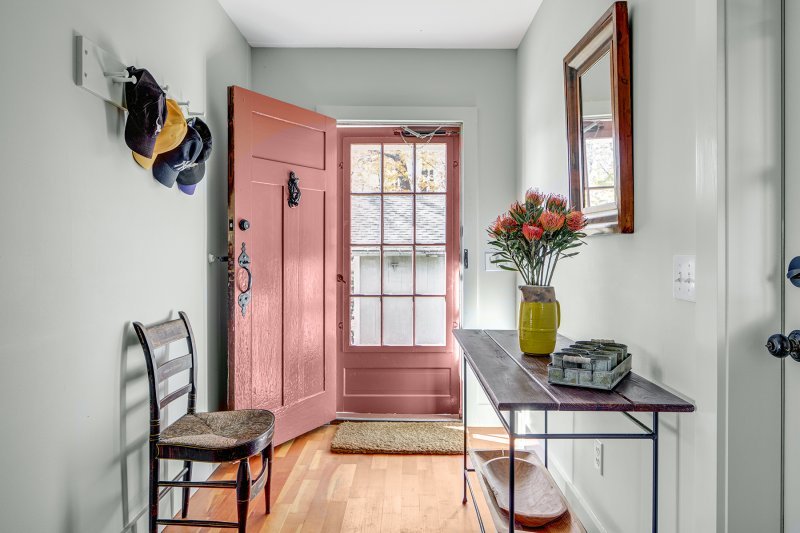
color drenched hallway entry

Amy Krane color

Thinking about trying it in your own home? Keep these tips in mind for a flawless execution.

1. Mix the Finishes – the Key!

Painting everything one color doesn’t mean your room has to look flat. The secret to successful color drenching is playing with sheen. Use a matte on the walls, matte or flat ceiling, but switch to a satin or semi-gloss finish on the doors, trim, and built-ins. The way the light bounces off the different textures keeps the room dynamic and sophisticated.

2. Start Small

If you are nervous about painting an entire room, test the waters in a transitional or low-stakes space. Powder rooms, entryways, laundry rooms, and small bedrooms are perfect candidates for a “jewel box” drenching experience.

3. Lean into the Mood

Don’t be afraid of depth. While you can color-drench with soft putty tones, warm taupes, or dusty pinks, the technique truly shines when you lean into rich, deep hues. Forest greens, midnight blues, earthy terracotta, and chocolate browns create an instantly cozy, cocoon-like environment that flat white could never replicate.

4. Layer Your Decor

Once your envelope of color is dry, bring the room to life with contrasting textures. Layer in warm woods, metallic hardware (brass and copper look stunning against drenched walls), woven rugs, and tactile fabrics like velvet or linen.

Final Thoughts

Color drenching is a powerful reminder that paint is the ultimate design tool. By breaking the old rules of standard white trim and flat white ceilings, you can transform a plain room into an immersive, deeply comforting sanctuary.


Are you ready to try color drenching in your home? What room are you planning to tackle first? Let us know in the comments or if you want the security of having an expert plot it out for you get in touch.